
Starting off with How to Choose a Certified Personal Trainer in Texas: Essential Vetting & Safety Checklist, this introduction aims to grab the readers' attention and provide a brief overview of what's to come.
Following this will be a detailed explanation of the topic, diving into each aspect mentioned in the Artikel.
Researching Certified Personal Trainers
When looking for a certified personal trainer in Texas, it is crucial to conduct thorough research to ensure you find a qualified professional who can help you reach your fitness goals safely and effectively.
Checking Credentials and Certifications
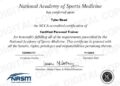
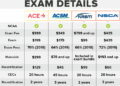
- Verify that the personal trainer holds a current certification from a reputable organization such as NASM, ACE, ACSM, or NSCA.
- Check if the certification is accredited by the National Commission for Certifying Agencies (NCCA) to ensure it meets industry standards.
- Look for additional specialized certifications or qualifications that align with your specific fitness needs or goals.
Verifying Trainer's Credentials
- Ask the personal trainer for their certification number and verify it directly with the certifying organization's website.
- Confirm the trainer's standing with the certifying organization to ensure they are in good standing and up to date with continuing education requirements.
- Check for any complaints or disciplinary actions against the trainer through the certifying organization or state licensing board.
Safety Measures and Background Checks

When choosing a personal trainer, it is crucial to prioritize safety and ensure that the trainer is qualified to meet your fitness needs. Conducting background checks on potential trainers can provide valuable insight into their credentials and experience, helping you make an informed decision.
Essential Safety Measures
- Ensure the trainer is certified by a reputable organization, such as NASM or ACE, to guarantee they have the necessary qualifications and expertise.
- Ask about the trainer's experience working with clients who have similar fitness goals or health conditions to ensure they can provide appropriate guidance and support.
- Verify that the trainer has liability insurance to protect both you and them in case of any accidents or injuries during training sessions.
- Discuss any health concerns or limitations you may have with the trainer to ensure they can tailor a safe and effective workout plan for you.
Importance of Background Checks
Performing background checks on potential trainers is essential to verify their credentials, experience, and reputation in the fitness industry. It can help you avoid unqualified or inexperienced individuals who may not have your best interests at heart.
Guidance on Conducting Background Checks
- Request references from past clients or employers to gather feedback on the trainer's professionalism, knowledge, and effectiveness.
- Check online reviews and ratings on platforms like Google or Yelp to see what other clients have to say about their experience with the trainer.
- Verify the trainer's certifications and credentials with the issuing organizations to ensure they are up-to-date and legitimate.
- Consider scheduling a trial session or consultation with the trainer to assess their training style, communication skills, and compatibility with your fitness goals.
Interviewing Potential Trainers
When it comes to choosing a certified personal trainer in Texas, interviewing potential trainers is a crucial step in the vetting process. This allows you to assess their qualifications, experience, and overall fit for your fitness goals.
Key Questions to Ask
Before hiring a personal trainer, it's essential to ask key questions that can help you determine if they are the right fit for you. Some important questions to consider asking include:
- What certifications do you hold and where did you receive your training?
- Can you provide references from past clients?
- How do you tailor fitness programs to meet individual needs and goals?
- What is your availability for training sessions?
Assessing Communication Skills and Professionalism
Communication skills and professionalism are vital qualities to look for in a personal trainer. A trainer who can effectively communicate instructions, provide feedback, and motivate you can make a significant difference in your fitness journey. During the interview process, pay attention to how the trainer communicates and presents themselves.
Evaluating Training Philosophy and Approach
Every trainer has a unique training philosophy and approach to fitness. It's important to evaluate whether their methods align with your fitness goals and preferences. Ask about their training style, approach to nutrition, and how they track progress to ensure that their methods are in line with what you are looking for in a trainer.
Reviewing Client Testimonials and References
When choosing a certified personal trainer in Texas, reviewing client testimonials and references can provide valuable insights into the trainer's reputation and effectiveness. By hearing from past clients, you can get a sense of the trainer's approach, communication style, and results they have helped clients achieve.
Assessing Testimonial Authenticity
- Look for specific details: Genuine testimonials often include specific examples of how the trainer helped the client reach their goals.
- Check for consistency: Authentic testimonials are consistent in tone and language, showcasing a real client's experience.
- Verify sources: Cross-reference testimonials with online reviews or social media to ensure they are not fabricated.
- Avoid overly promotional language: Be wary of testimonials that sound too good to be true or overly promotional.
What to Look for in Client References
- Results achieved: Inquire about the results past clients have achieved with the trainer, whether it's weight loss, muscle gain, or improved fitness.
- Communication and rapport: Ask about the trainer's communication style and how they build a rapport with clients to ensure a positive training experience.
- Professionalism and reliability: Seek feedback on the trainer's professionalism, punctuality, and commitment to helping clients reach their goals.
- Long-term progress: Get insights into how the trainer supports clients beyond just sessions, helping them maintain long-term progress and healthy habits.
Assessing Specializations and Experience
When choosing a certified personal trainer in Texas, assessing their specializations and experience is crucial to ensure they can effectively help you reach your fitness goals. A trainer's specialization and experience can greatly impact the quality of the training you receive and the results you achieve.It is important to consider a trainer's specialization as it determines their expertise in specific areas of fitness.
For example, some trainers may specialize in weight loss, while others may focus on strength training, sports performance, or rehabilitation. By choosing a trainer with the right specialization, you can ensure that they have the knowledge and skills needed to help you with your specific goals.In addition to specialization, the experience of a trainer plays a significant role in their ability to guide you effectively.
An experienced trainer will have worked with a variety of clients, faced different challenges, and developed effective strategies to help clients succeed. When assessing a trainer's experience, consider their years in the industry, the types of clients they have worked with, and their success stories.
Different Specializations in Personal Training
- Weight loss and management
- Strength and conditioning
- Sports-specific training
- Functional training
- Injury prevention and rehabilitation
Determining Trainer's Experience Alignment
Ask the trainer about their previous clients' success stories and how they have helped clients with goals similar to yours.
Request to see certifications, qualifications, and any relevant training experience the trainer has.
Look for reviews or testimonials from previous clients to gauge the trainer's effectiveness and expertise.
Discuss your fitness goals with the trainer and see if they have a clear plan or approach to help you achieve them.
Creating a Safety Checklist
When selecting a certified personal trainer in Texas, it is crucial to have a personalized safety checklist to ensure your well-being during training sessions. This checklist can help you assess the trainer's qualifications, experience, and safety measures in place. By customizing the checklist based on your individual needs and concerns, you can make a more informed decision when choosing a personal trainer.
Essential Items for the Safety Checklist
- Valid certification: Ensure the personal trainer holds a recognized certification from a reputable organization, such as NASM, ACE, or ACSM.
- CPR/AED certification: Verify that the trainer is certified in CPR and AED to handle emergencies during training sessions.
- Liability insurance: Confirm that the trainer has liability insurance to protect both parties in case of accidents or injuries.
- Safe training environment: Evaluate the cleanliness and safety of the training facility to prevent any potential hazards.
- Client screening process: Check if the trainer conducts a thorough screening process to assess your fitness level, medical history, and goals.
Significance of Customizing the Checklist
Customizing the safety checklist based on your individual needs and concerns allows you to prioritize specific aspects that are important to you. For example, if you have a pre-existing medical condition, you may want to include additional items related to medical clearance and specialized training experience in your checklist.
By tailoring the checklist to your requirements, you can ensure that the personal trainer meets your expectations and provides a safe and effective training program tailored to your needs.
Final Review

Wrapping up the discussion, the concluding paragraph will summarize the key points discussed and leave the readers with a lasting impression.
FAQ Summary
What credentials should I look for when researching certified personal trainers?
Look for certifications from reputable organizations like NASM, ACE, or ACSM.
Why is it important to conduct background checks on potential trainers?
Background checks help ensure your safety and verify the trainer's credibility.
How can I assess a trainer's training philosophy during an interview?
Ask about their approach to different fitness goals and how they tailor programs to individual needs.
What are some examples of specializations within the personal training field?
Specializations can include strength training, weight loss, sports-specific training, and more.
Why is it important to customize a safety checklist for selecting a personal trainer?
Customizing the checklist ensures that your specific needs and concerns are addressed for a safe training experience.